How to Read Tarot Cards: A Simple Guide for Beginners
· yourhoroscopereading.com
Have you ever felt a pull toward the mysterious world of tarot? You are not alone. Learning how to read tarot cards can feel like unlocking a secret language, one that speaks to your intuition and offers gentle guidance.
This guide is your first step. We will break down the process into simple, manageable pieces. You will learn tarot card meanings, understand the major arcana, and discover how to trust your own inner voice. Let us begin this fascinating journey together.
What Are Tarot Cards, Really?
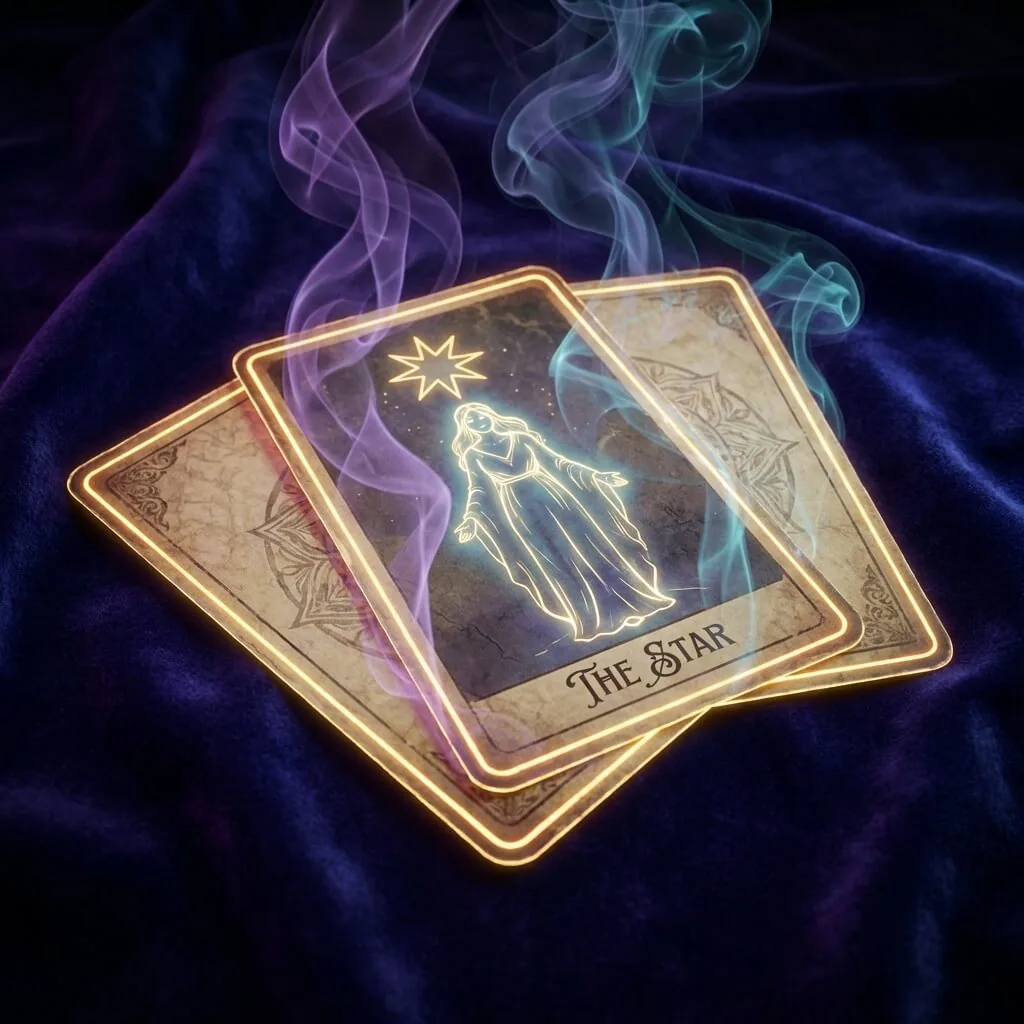
Think of a tarot deck as a book of pictures. This book has 78 pages, or cards. Each card is a piece of art filled with symbols, colors, and characters. These images are not random. They are a map of human experience. They show our hopes, fears, challenges, and triumphs.
The deck is split into two main parts. The first part is called the Major Arcana. It has 22 cards. These cards represent big life lessons and major turning points. The second part is the Minor Arcana. It has 56 cards. These cards reflect the everyday events and feelings of our daily lives.
Here is what most people get wrong. Tarot cards do not tell a fixed future. They are not a magic eight ball. Instead, they are a tool for reflection. They help you see your current situation from a new angle. They highlight patterns you might be missing. They connect you to your own inner wisdom.
When you pull a card, you are starting a conversation with yourself. The image on the card acts as a mirror. It reflects back what is already happening inside you. For example, imagine your friend Priya is worried about a job interview. She pulls the Eight of Pentacles. This card shows a craftsman diligently working. It does not predict she will get the job. Instead, it might reflect her need to focus on preparation and skill, which is exactly what she was thinking about.
Your First Tarot Deck and a Simple Ritual
Choosing your first deck is a personal moment. The most famous deck is the Rider-Waite-Smith. Its images are clear and full of classic symbols. Many guides use it. This makes it a great choice for beginners. But the most important rule is to pick a deck you love. Look at the pictures online. Do you feel drawn to them? Do the colors and characters speak to you? That connection is your first step in learning how to read tarot cards.
Once your deck arrives, it is time to bond with it. You do not need to cleanse it with sage or moonlight, though you can if you wish. A simple ritual works just fine. Find a quiet space. Hold the deck in your hands. Shuffle the cards slowly. As you do, think about your intention. You might say to yourself, "I ask for clarity and kindness." This simple act makes the deck yours.
Now, try a daily one-card pull. Each morning, shuffle your deck. Ask a simple question like, "What energy should I be aware of today?" Pull one card. Look at the image. Do not rush to a guidebook. First, just notice. What do you see? What colors stand out? How does the picture make you feel? Write down three words that come to mind. This practice builds your intuitive muscle.
Think about it this way. Your friend James just got his first deck. He feels overwhelmed by all the meanings. Instead of memorizing, he starts with a one-card daily pull. On Monday, he pulls The Sun card. It shows a happy child on a horse. James writes down "joy, success, warmth." That day, he has a surprisingly positive meeting at work. He starts to see how the card reflected his day's potential energy.
Understanding Tarot Card Meanings: A Simple System
Trying to memorize 78 individual tarot card meanings is a recipe for frustration. Let us use a simpler system. First, know the structure. The Minor Arcana has four suits, just like regular playing cards. They are Cups, Wands, Swords, and Pentacles. Each suit connects to a part of life.
Cups are about emotions, love, and relationships. Wands are about creativity, energy, and action. Swords are about thoughts, communication, and challenges. Pentacles are about work, money, and the physical world. Within each suit, cards are numbered from Ace (1) to Ten, plus four Court Cards (Page, Knight, Queen, King).
The numbers tell a story. Aces are new beginnings. Twos are about choices and balance. Threes show growth and collaboration. Fours signal stability, sometimes to the point of feeling stuck. Fives bring conflict or loss. Sixes offer harmony and resolution. Sevens are about reflection and assessment. Eights focus on movement and mastery. Nines represent nearing completion. Tens show the final outcome of the suit's energy.
For the Court Cards, think of them as people or personalities. Pages are students, messengers, or a new start. Knights are action-takers, often rushing in. Queens embody mature, internal mastery of the suit's energy. Kings represent external mastery and authority.
Let us use an example. Carlos is thinking about starting a new creative project. He pulls the Ace of Wands. The Ace means a new beginning. Wands are the suit of creativity and inspiration. The card shows a hand holding a sprouting wand. The meaning becomes clear. It is a powerful sign of a new creative spark, full of potential energy. He does not need a book to feel that message.
Major Arcana Explained: The Big Life Lessons
The Major Arcana is the heart of the tarot deck. These 22 cards are the main characters in the story of life. They represent significant archetypes and major turning points on our personal journey. Think of them as chapters in a book about the soul's growth, from innocence to enlightenment.
You might be skeptical, and that is completely fine. You do not need to believe in fate to see the value here. These cards name universal human experiences. The Fool is the innocent beginning, a leap of faith. The Magician is about using your tools and talents. The High Priestess calls you to listen to your intuition. The Empress represents nurturing and abundance.
The journey continues through cards like The Lovers (choices and values), The Chariot (willpower and control), and Strength (courage through compassion). The middle of the journey has pivotal cards. The Wheel of Fortune reminds us life has cycles. Justice is about cause, effect, and fairness. The Hanged Man asks for a pause and a new perspective.
Later cards speak of transformation. Death is not literal. It is about necessary endings to make way for new beginnings. Temperance finds balance by mixing opposites. The Devil shows where we feel trapped by material or unhealthy bonds. The Tower is a sudden, shocking change that breaks down false structures.
The final cards point toward resolution. The Star brings hope and healing. The Moon asks us to face illusions and fear. The Sun shines with joy and success. Judgment is a call to a higher purpose. The World represents completion, integration, and wholeness. When a Major Arcana card appears in a reading, pay close attention. It highlights a significant life lesson at play.
How Tarot for Beginners Can Improve Your Daily Life
Using tarot for beginners is not about predicting lottery numbers. It is a practical tool for self care and decision making. A daily one-card pull can set your intention for the day. A three-card spread can help you work through a problem. This practice brings clarity and connects you to your own inner voice. Many readers deepen their practice by combining tarot with their birth chart, which reveals the cosmic blueprint behind the patterns the cards surface. Your moon sign in particular can explain why certain cards resonate so strongly on an emotional level.
For instance, a simple Past, Present, Future spread is incredibly useful. Shuffle while thinking of a situation. Pull three cards. Place the first card on the left for the past influence. Place the second in the middle for the present energy. Place the third on the right for the potential future direction. Read them as a story.
Let us follow Aisha. She is confused about a friendship. For the past card, she gets the Three of Swords, a heart with three swords through it. This reflects past heartache or a misunderstanding in the friendship. Her present card is the Two of Pentacles, a person juggling. This shows her current feeling of balancing this issue with other parts of her life. The future card is the Six of Cups, a scene of nostalgic gift-giving. This suggests a potential for reconnecting with kindness or revisiting happy memories to heal.
This is where it gets interesting. The cards did not tell Aisha what to do. They organized her own thoughts. She realized she was holding onto past hurt (Three of Swords) while trying to keep everything balanced (Two of Pentacles). The possible path forward (Six of Cups) might involve a gentle, kind conversation. The reading gave her a framework to understand her own feelings.
Common Misconceptions About Reading Tarot
Many people are held back from tarot because of common myths. Let us clear them up. The biggest fear is that tarot is evil or scary. Tarot cards are just cardstock and ink. They have no power on their own. The power comes from your intention and your interpretation. They are a tool, like a journal or a meditation app. Using them for positive self reflection makes them a positive tool.
Another misconception is that you need psychic powers. You do not. Reading tarot is a skill built on intuition and knowledge. Intuition is simply your gut feeling. Everyone has it. The more you practice looking at the cards and noticing what you feel, the stronger your intuitive connection will become. The guidebook is your teacher, not your boss.
People also think reversed cards (upside-down cards) always mean bad things. This is not true. A reversed card often means the energy of the card is blocked, delayed, internalized, or needs to be looked at differently. For beginners, it is perfectly okay to read all cards as upright. This simplifies learning tarot card meanings without adding complexity.
Finally, some believe a reading is set in stone. This is the most important point to remember. Tarot reflects current energies and paths. You always have free will. A reading is a snapshot, not a prison sentence. If you see a challenging card, it is not a prediction of doom. It is a helpful warning or an insight into a current challenge, giving you the power to navigate it differently.
Related Articles
Frequently Asked Questions
Final Thoughts
Starting your journey to learn how to read tarot cards is an exciting step toward greater self awareness. Remember, it is not about memorizing a rigid set of rules or predicting a fixed future. It is about building a conversation with your own intuition, using the beautiful, symbolic language of the cards as your guide. You have learned the basics of tarot card meanings, the story of the major arcana, and simple steps for tarot for beginners. Be patient with yourself. Let your curiosity lead the way. Shuffle your deck, pull a card, and see what story it has to tell you today. The most important part of learning how to read tarot cards is to begin.
Explore Your Birth Chart →